9 Days Northern Thailand Explorer
Chiang Mai, Chiang Rai, Pai, Mae Hong Son — Mountains, Hill Tribes & Golden Triangle
🗓️ 9 Days / 8 Nights 👥 Max 12 people 🌐 English Guide ⭐ 4.93/5 (134 reviews)
✓ 100% Licensed Local Agency ✓ 120,000+ Happy Travelers ✓ 4.99/5 · 4,800+ Verified Reviews ✓ 15+ Years · 22 Countries ✓ 24/7 WeChat / WhatsApp Support
Tour Highlights
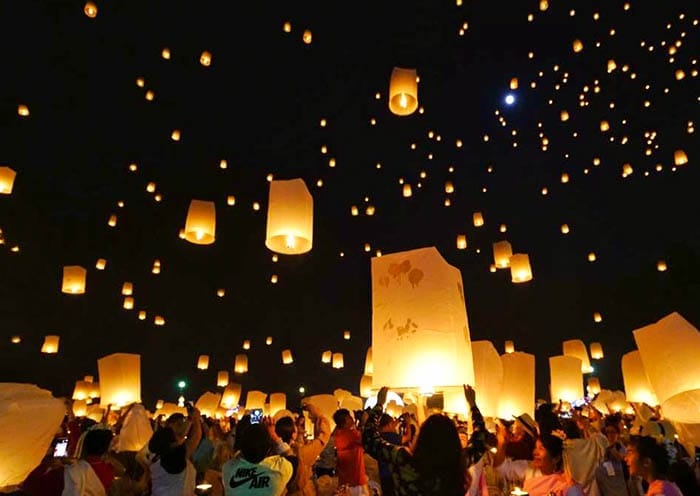
✓ Explore Chiang Mai's ancient temples and night markets
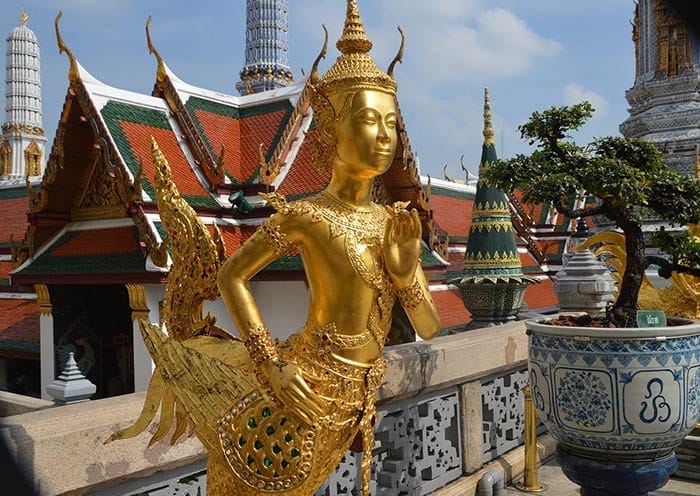
✓ Visit the White Temple (Wat Rong Khun) in Chiang Rai
✓ Stand at the Golden Triangle where Thailand, Laos & Myanmar meet
✓ Drive the famous Mae Hong Son loop with 1,864 curves
✓ Visit hill tribe villages and learn about Karen and Hmong culture
✓ Soak in Pai's laid-back hot springs and canyon sunset
Detailed Itinerary
D1 Arrival in Chiang Mai
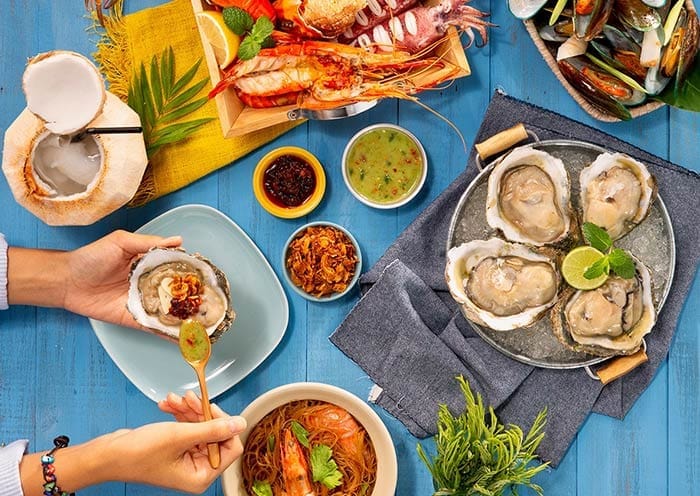
Arrive at Chiang Mai International Airport where your northern Thai guide welcomes you with a traditional wai greeting and a cool, fragrant towel, then transfers you through streets lined with ancient moats and temple-studded hills to your hotel in the heart of the old city. After settling in, the evening belongs to Chiang Mai's legendary Night Bazaar — a sprawling labyrinth of stalls selling everything from handwoven hill-tribe textiles and silver jewelry to carved teak elephants and spicy sai ua sausage, the herby northern Thai pork sausage fragrant with lemongrass and kaffir lime. Your guide leads a curated street food tour through the market's culinary highlights, starting with a steaming bowl of khao soi — Chiang Mai's signature dish of egg noodles in a rich coconut curry broth, topped with crispy fried noodles, pickled mustard greens, and a squeeze of lime that cuts through the creamy richness perfectly. Continue to Warorot Market, the city's oldest and most authentic fresh market, where you will sample nam prik ong, the northern Thai tomato-and-minced-pork chili dip served with fresh vegetables and crispy pork rinds. Wrap up with mango sticky rice from a vendor who has been perfecting the balance of sweet coconut cream and ripe nam dok mai mango for three generations. Travel tip: Chiang Mai's old city is encircled by a moat and crumbling brick walls — orienting yourself by the four main gates (Tha Phae, Chang Phuak, Suan Dok, and Chiang Mai) makes navigation simple and enjoyable.
D2 Chiang Mai Temples & Doi Suthep
Begin your exploration of Chiang Mai's old city with a visit to Wat Chedi Luang, whose massive 14th-century brick chedi once soared 82 meters into the sky before an earthquake toppled its spire — today it remains a monument of immense power, its elephant-buttressed base and weathered niches still commanding awe, particularly in the golden morning light. A short walk brings you to Wat Phra Singh, home to the revered Phra Singh Buddha image and a stunning example of classic Lanna architecture, with its multi-tiered roofs, intricate wood carvings, and serene courtyards where monks sweep leaves beneath frangipani trees. For lunch, sample northern Thai larb — a minced meat salad dressed with lime, fish sauce, dried spices, and fresh herbs that is entirely different from the Isaan version, featuring a deeper, earthier spice profile unique to the Lanna kingdom. In the afternoon, drive up the winding road to Doi Suthep, the sacred mountain temple that watches over Chiang Mai — climb the 309-step naga serpent staircase flanked by gilded mythical serpents whose scales seem to ripple in the dappled forest light, then emerge onto the golden terrace where the immense copper-plated chedi glows like a sun captured in metal. The panoramic view from 1,073 meters sweeps across the entire Chiang Mai valley, with the old city's moat clearly visible and the Ping River snaking silver through distant rice fields. Descend as evening falls and explore the Sunday Walking Street market if your visit coincides, or enjoy a peaceful dinner of gaeng hang lay, a Burmese-influenced northern curry of slow-braised pork belly with ginger, tamarind, and pickled garlic.
D3 Chiang Mai to Chiang Rai
Depart Chiang Mai after breakfast and drive north through rolling hills and lush valleys toward Chiang Rai, pausing mid-morning at the Mae Kachan hot springs where you can soak your feet in the mineral-rich geothermal waters that bubble up naturally from the earth — a welcome break on the three-hour journey and a chance to buy small quail eggs boiled on-site in the steaming pools. Arrive in Chiang Rai in time for lunch, then prepare to be utterly dazzled by Wat Rong Khun, the White Temple — the visionary masterpiece of Thai artist Chalermchai Kositpipat, whose gleaming white stucco and mirrored glass mosaic create a structure that seems to float between this world and the next, its surreal bridge over a sea of reaching hands representing the passage from the cycle of rebirth to enlightenment. Every detail of the White Temple rewards close examination, from the gilded restroom building (a pointed satire on materialism and desire) to the interior murals depicting modern icons amid Buddhist imagery. Continue to Wat Rong Suea Ten, the Blue Temple, whose sapphire exterior and interior glow with an almost otherworldly cobalt hue, dominated by a massive seated white Buddha that seems to radiate serenity from within the blue sanctuary. Dinner in Chiang Rai features khao soi nam na, a northern specialty of rice noodles in a spiced pork-and-tomato broth distinct from Chiang Mai's coconut-based version. Evening is free to explore Chiang Rai's compact but charming night market, far more laid-back than its Chiang Mai counterpart.
D4 Golden Triangle
Journey north this morning to the legendary Golden Triangle, where the Ruak River flows into the mighty Mekong and the borders of Thailand, Laos, and Myanmar converge at a single point — climb to the viewpoint terrace where you can stand in Thailand, gaze at the misty mountains of Myanmar to your left, and watch long-tail boats crossing from Laos to your right, a geopolitical confluence that for decades defined the world's most notorious opium-producing region. Board a long-tail boat for a ride on the Mekong itself, its coffee-brown waters carrying the silt of Tibetan glaciers and Yunnan highlands, pausing at the riverbank village of Don Sao on the Lao side for a passport stamp and a chance to browse Lao handicrafts and sample Beerlao — the only beer made with Lao jasmine rice. Return to the Thai side for a visit to the Hall of Opium, a world-class museum that tells the harrowing history of the opium trade in the Golden Triangle through immersive exhibits and artifacts, from 19th-century opium scales to modern poppy cultivation maps — a sobering and essential counterpoint to the region's beauty. En route back to Chiang Rai, stop at the ancient city of Chiang Saen, whose crumbling 13th-century temples and earthen ramparts beside the Mekong whisper of a Lanna kingdom that once rivaled Chiang Mai in power. Dinner features local Mekong river fish, grilled with lemongrass and served with spicy jaew dipping sauce.
D5 Chiang Rai to Pai
After breakfast, embark on one of Thailand's most scenic (and stomach-challenging) drives — the winding mountain road from Chiang Rai to Pai, where 762 curves coil through mist-shrouded mountains, past waterfalls and hill-tribe villages, each hairpin turn revealing a new vista more breathtaking than the last. Your driver knows every curve and the best pull-offs for photographs of the valleys below, while your guide shares stories of Pai's transformation from a sleepy Shan village to a beloved haven for artists, musicians, and travelers seeking the slow life. Arrive in Pai by mid-afternoon and check into your riverside bungalow before heading to Pai Canyon in the late afternoon, where narrow red sandstone ridges no wider than a footpath slice through pine forests and the setting sun sets the eroded earth ablaze in shades of burnt orange and crimson — walk the ridge trails cautiously, as some sections are just a meter wide with steep drops on both sides. The sunset from Pai Canyon, with the whole valley spread beneath you and the sky performing its nightly spectacle of color, rivals any mountain panorama in Thailand. As darkness falls, descend to Pai Walking Street, where the small town transforms into a vibrant night market of handmade jewelry, bohemian clothing, live acoustic music, and food stalls serving everything from Burmese tea leaf salad to vegan coconut ice cream — the atmosphere is laid-back, creative, and quintessentially Pai.
D6 Pai — Hot Springs & Waterfalls
Start your morning with a therapeutic soak at Tha Pai Hot Springs, a series of natural forest pools where geothermal water emerges from the earth at temperatures ranging from warm to near-boiling — the clever tiered system allows you to find your perfect temperature, and the mineral-rich waters work wonders on travel-weary muscles amid a setting of towering bamboo and the sound of the nearby Pai River. From warmth to refreshment, continue to Pam Bok Waterfall, a secluded cascade tucked into a narrow ravine where water plunges over a sheer rock face into a deep pool perfect for a bracing morning swim — the high cliff walls create natural shade, keeping the water deliciously cool. For lunch, visit Santichon, a Yunnan Chinese village where descendants of Kuomintang soldiers who settled here in the mid-20th century maintain their distinct culture — sample Yunnan-style braised pork leg over rice, hand-pulled noodles in rich broth, and strong oolong tea served in tiny clay cups, all within a replica of a traditional Chinese mountain village complete with clay houses, a man-made lake, and a swing that launches riders out over the water. The afternoon brings Mo Paeng Waterfall, a gentler cascade where smooth rock slabs create natural water slides into shallow pools — locals come here to picnic and play, and you are welcome to join the joyful chaos. Return to Pai for a relaxed evening — perhaps a live music set at a bamboo riverside bar or a quiet dinner of Burmese-influenced dishes at a family-run restaurant.
D7 Pai to Mae Hong Son
Today you tackle the crown jewel of northern Thailand's driving routes — the legendary Mae Hong Son loop, counting off curve after curve (1,864 in total if you drive the full circuit) as the road snakes through misty mountains, dense teak forests, and valleys so deep the villages below appear as toy models. The journey, while demanding on the stomach, offers the most dramatic scenery in Thailand, with viewpoints pulling you over every few kilometers to photograph layers of blue-grey mountains receding into hazy infinity. Mid-journey, visit a Long Neck Karen village, where Padaung women wear the iconic brass coil neck rings that have made their culture world-famous — your guide facilitates respectful interaction, explaining the cultural significance of the coils (a tradition of beauty and identity, not elongation) while encouraging you to purchase handicrafts directly from the women who weave them, supporting the community's economic independence. Arrive in Mae Hong Son, a tranquil provincial capital nestled in a bowl of mountains near the Myanmar border, its architectural landscape reflecting Burmese Shan influence in the tiered roofs and ornate woodwork of its temples. In the late afternoon, walk the Su Tong Pae bamboo bridge — Thailand's longest bamboo footbridge, stretching across emerald rice paddies to a hilltop temple — as the setting sun gilds the paddies gold and monks in saffron robes cross the bridge, creating a scene of such pastoral perfection it feels like a living watercolor. Dinner features Burmese-style tea leaf salad and Shan noodles, reflecting Mae Hong Son's unique cultural crossroads.
D8 Mae Hong Son
Set your alarm for the pre-dawn darkness and climb to Wat Phra That Doi Kong Mu, Mae Hong Son's hilltop temple whose twin white stupas — one built in 1860, the other in 1874 — crown the ridge above the town like two white flames frozen in stone. As the first light seeps over the mountains of Myanmar to the west, the mist-filled valley below slowly reveals itself, the town's lake and temple roofs emerging from the fog while the twin stupas glow pink, then gold, then brilliant white in the rising sun — a sunrise so serene and beautiful that the early wake-up call is instantly forgiven. After the sunrise and a temple breakfast of coconut rice cakes, descend to visit Tham Pla, the Fish Cave, a forest shrine where hundreds of large soro brook carp swarm in a crystal-clear limestone pool — the fish are sacred and protected, fed by visitors who purchase bowls of vegetables and fruit to toss into the teeming water. The afternoon is free in Mae Hong Son for last explorations — perhaps the hilltop Wat Phra Non with its reclining Buddha, or the bustling morning market where hill-tribe traders sell wild honey, Shan textiles, and mountain herbs. Gather for a farewell dinner at the town's best-loved restaurant, where you will feast on hang lay curry, the slow-braised pork belly curry infused with ginger, tamarind, and pickled garlic that is the signature dish of northern Thailand, alongside nam prik ong, the beloved tomato-minced pork dip, and a cold bottle of Chiang Mai's own craft beer. Share photographs and stories with your guide and fellow travelers as you reflect on nine days through Thailand's northern heartland.
D9 Departure
Enjoy a final northern Thai breakfast of jok, silky rice porridge with minced pork, fresh ginger, and a soft-boiled egg, before your guide transfers you to Mae Hong Son Airport — a tiny, picturesque terminal whose mountain-ringed runway offers one of Thailand's most dramatic takeoffs as your plane banks sharply over the misty peaks. Alternatively, if you are returning to Chiang Mai by road, prepare for one last scenic drive through the mountains, perhaps stopping at a roadside coffee plantation for a cup of locally grown Arabica and a final view of the landscape that has been your companion for nine extraordinary days. Your journey through northern Thailand has carried you from Chiang Mai's ancient temples and the visionary White Temple of Chiang Rai to the storied Golden Triangle where three nations meet, from Pai's bohemian canyons to the winding mountain roads of Mae Hong Son and the timeless cultures of the Karen, Shan, and Yunnan Chinese peoples. Carry with you the taste of khao soi and hang lay curry, the serenity of misty sunrises over mountain valleys, the warmth of hill-tribe welcomes, and the knowledge that you have experienced a Thailand far beyond the beaches — a land where the mountains hold kingdoms, the rivers carry history, and the roads curve endlessly toward new discoveries. Sawasdee — until northern Thailand calls you back again.
What's Included & Excluded
✅ Included
- ✓ Hotel accommodation with daily breakfast
- ✓ Professional English-speaking guide
- ✓ All transportation per itinerary
- ✓ Entrance fees to listed attractions
- ✓ Airport transfers on arrival and departure
- ✓ Hill tribe village visits
- ✓ Golden Triangle boat ride
- ✓ Mae Hong Son loop transport
- ✓ Thai massage (1x)
❌ Excluded
- ✗ International flights
- ✗ Travel insurance
- ✗ Personal expenses and tips
- ✗ Visa fees (if applicable)